Watch a bramble patch on a warm July morning and you will see the whole cast: honey bees, several kinds of bumblebee, leafcutter bees carrying neat circles of green, hoverflies hovering like tiny drones. Come back in ten years and that patch may look the same to you, but hold far fewer insects. That quiet thinning out is the story of pollinator decline in Britain, and it matters well beyond the hedgerow.
Why pollinators matter to British food
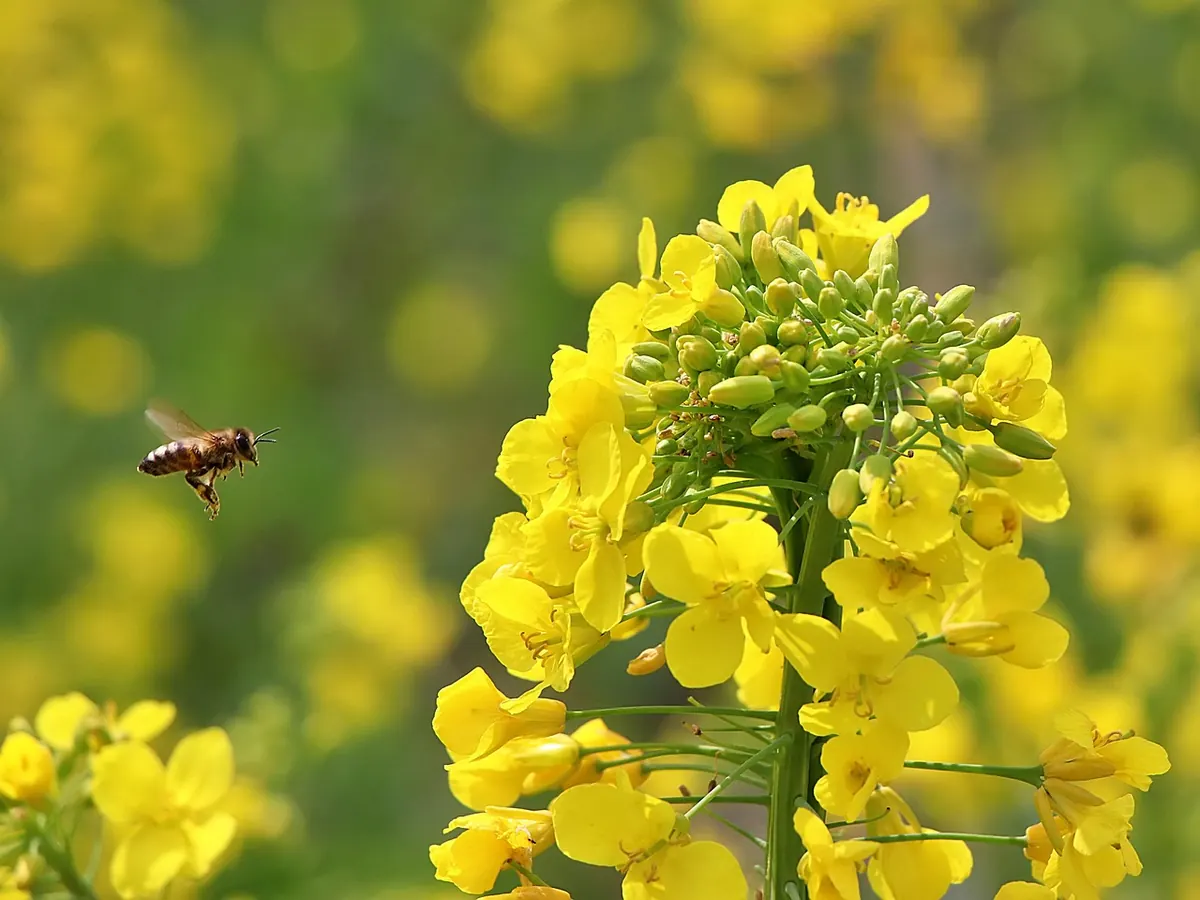
Roughly a third of what we eat depends, to some degree, on insect pollination. That includes many of the crops British growers rely on: apples, pears, plums, strawberries, raspberries, courgettes, runner beans and field beans. Oilseed rape can set some seed without insects, but yields and pod fill improve when bees are working the crop.
Pollination is not just about quantity. It shapes quality too. A poorly pollinated apple tends to be small, misshapen and quick to drop. Well-pollinated strawberries are fuller and keep better. For a grower selling to supermarkets with strict grading, that difference decides whether a crop is profitable.
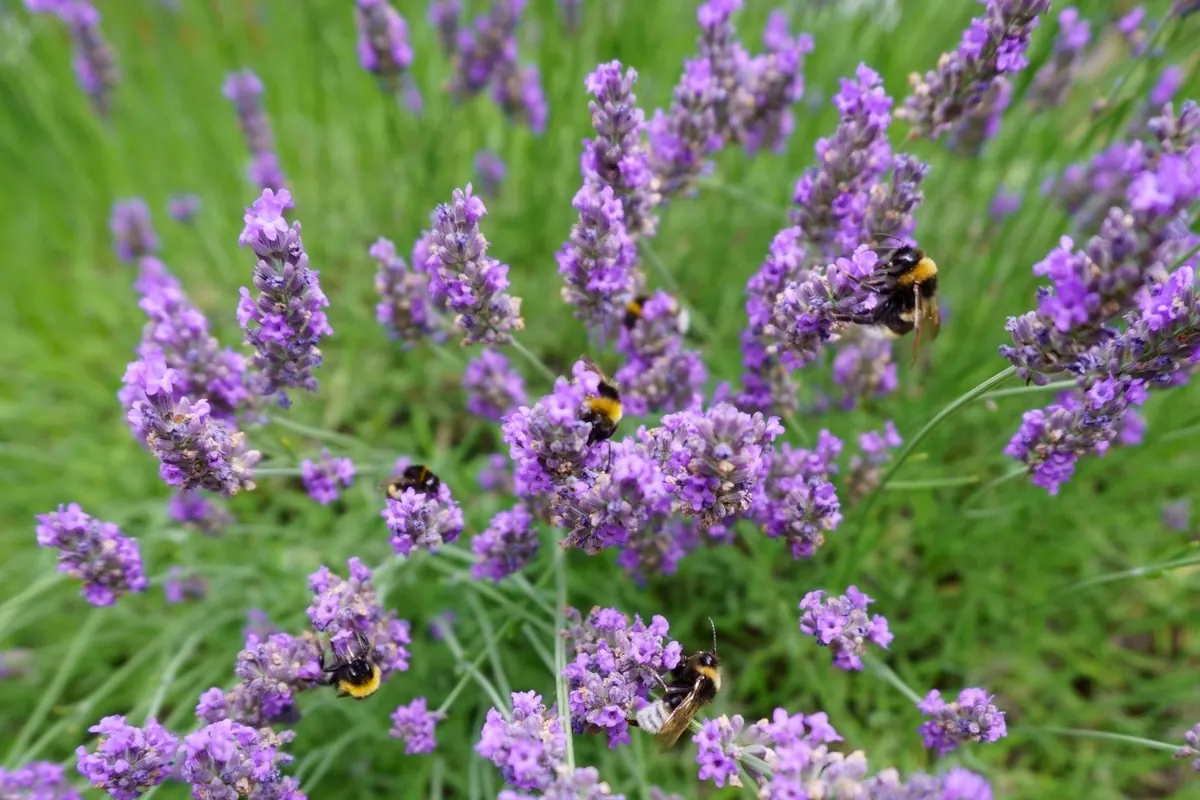
Wild pollinators do most of this unpaid work. Bumblebees fly in cooler, wetter weather than honey bees, which matters in a British spring. Solitary bees and hoverflies pick up the slack at different times of year. Honey bees are important, but they are one thread in a much larger web.
What is actually driving the decline
There is no single culprit. Pollinators are being squeezed from several directions at once:
- Lost habitat. Wildflower-rich grassland, hedgerows and rough field corners have shrunk dramatically since the mid-twentieth century, and with them nesting sites and food.
- Fewer flowers, more intensively farmed land. Large single-crop fields mean a short burst of flowers and then nothing for months.
- Pesticides. Insecticides do not distinguish between pests and pollinators, and even sub-lethal exposure can affect navigation, foraging and reproduction.
- Disease and parasites. Varroa remains the biggest challenge for beekeepers, and diseases can spread between managed and wild colonies.
- Climate change. Warmer, wetter winters and earlier springs can push flowers and pollinators out of sync.
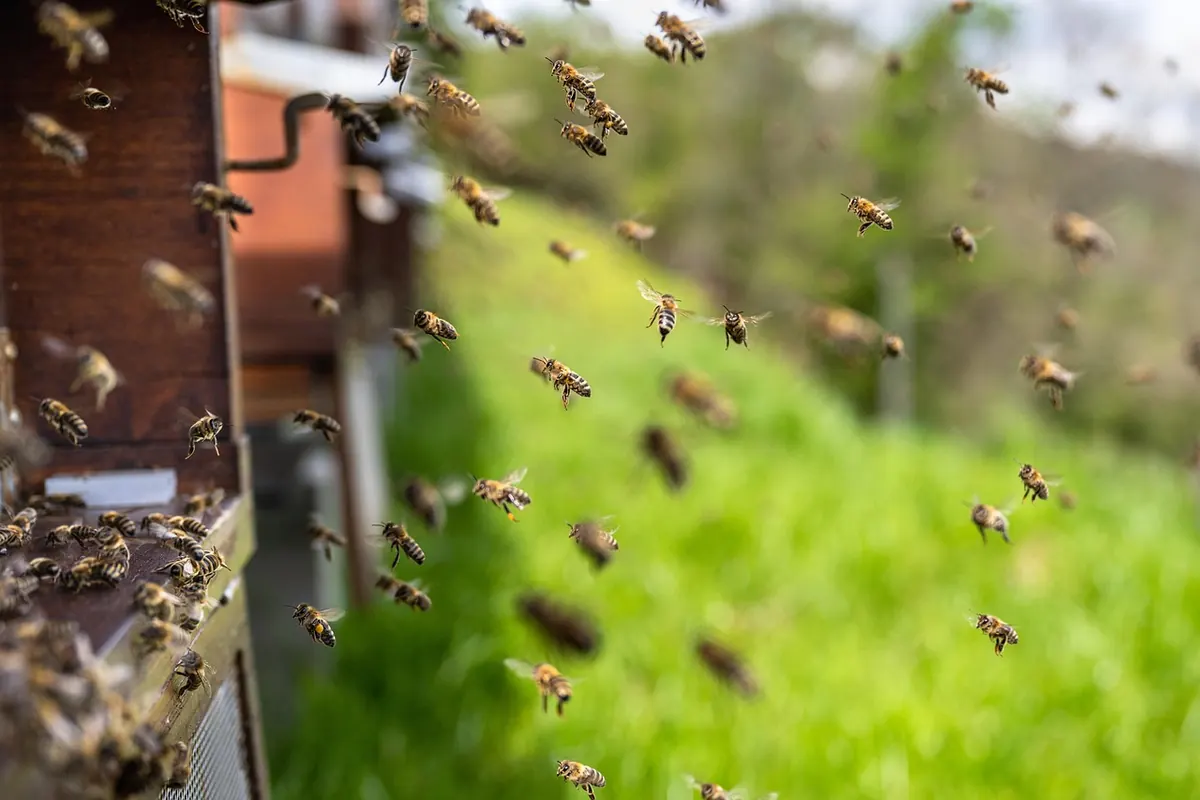
For honey bees specifically, beekeepers are working harder than ever to keep colonies healthy, often with more feeding, more monitoring and regular queen replacement. A hive in a landscape short of forage still struggles, no matter how skilled the beekeeper.
What gardeners can do
A garden, an allotment or even a decent window box is a genuine pit stop. The aim is simple: flowers in every month from February to October, and somewhere for insects to nest.
- Plant in succession. Snowdrops and crocus for early queens, then wallflowers, lavender, borage, oregano, foxgloves, catmint, and asters or sedum for late nectar.
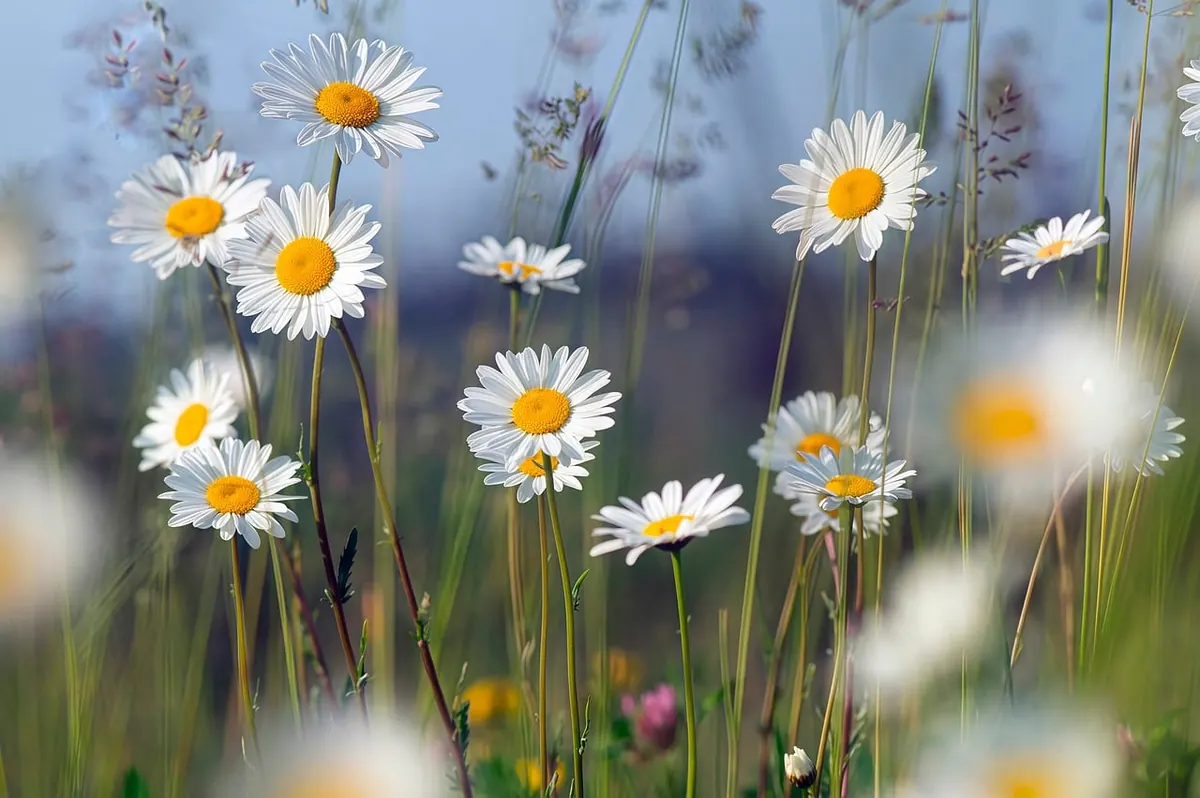
- Choose single, open flowers. Doubles often have little or no nectar or pollen.
- Let some herbs flower. A bolted parsley or chive plant is a banquet.
- Leave a rough corner. Log piles, dead stems and bare soil suit solitary bees and overwintering insects far better than tidy gravel.
- Skip the insecticide. Hand-pick, encourage birds and ladybirds, and accept some cosmetic damage.
- Mow less, and later. Even a strip left long until August will flower and feed.
What farmers can realistically do
Pollinator work has to fit around a business, not compete with it. The most reliable gains usually come from a few practical moves:
- Put a flower-rich margin or buffer strip along a hedge or watercourse, and cut it in rotation so something is always flowering.
- Include clover or a herbal ley in the rotation, which feeds livestock and pollinators from the same field.
- Let hedges flower before trimming, and cut them on a longer rotation where the scheme allows.
- Establish flowering cover crops, and avoid spraying when crops or margins are in flower.
- Protect field corners and awkward wet patches as rough habitat, often at little cost to output.
Government agri-environment schemes change and vary, so it is worth checking current options with Defra or the relevant devolved body, or with a local farm adviser, before committing money or land. For anything with a financial or legal edge, take professional advice specific to your holding.
What councils and community groups can do
Public land is where pollinator work becomes visible. Verges, parks, cemeteries and school grounds add up to thousands of hectares, and much of it is mown more out of habit than need.
- Cut verges less often, and later in the season, leaving a short strip near junctions and sightlines.
- Reduce or stop herbicide use on flowering pavements and around trees.
- Sign the work. A simple "we're letting this grow for bees" notice prevents complaints about untidiness.
- Create pollinator beds on roundabouts and in town parks, and plant for a long season rather than a short display.
- Use the local plan and biodiversity duties to require pollinator-friendly planting on new developments.
Small changes, done well, add up
You do not need a wildflower meadow or a farm scheme to help. A window box of lavender, a strip of lawn left to flower, a hedge trimmed less often, a decision to stop spraying the pavement weeds: each one is a small commitment that stacks up when neighbours and councils make it too.
Start with what is in front of you this week. Sow one packet of borage or field poppies. Pick the spot you'll let grow for a season. Then take the next step and ask your local council what it is doing with your local verges. If you keep bees, talk to nearby growers and gardeners about what the land around your apiary needs. More flowers, fewer sprays, and a bit more scruffiness: that is the shape of a healthier British landscape, and a steadier food supply that goes with it.
Photo: barnafe / Pixabay